While managing a building project a site manager saw that the planned garden design didn't match the new building. This kind of mismatch can cause more money to be spent and the project to take. That is why using garden methods is very important for making sure the building and garden work well together. If you understand how digging, big machines and careful work on the site can all work together builders can make sure their projects not meet the building rules but also look nice. Here are some important garden tips to think about during your building project.
The Importance of Site Preparation
landscaping begins long before the first shovel is used. Preparing the site is the base getting everything for the building and the garden. This part includes cleaning up trash shaping the land and making sure water can flow away. All of these steps are very important for avoiding problems. For example not enough water flow can cause water to collect, which hurts both the building and the garden.
A site that is properly prepared also needs to think about the area around it. Look at the quality of the soil: doing a soil test can show the level and the nutrients, which helps make a garden that will grow well. Also shaping the land makes sure water moves away from the building stopping erosion and damage. When you shape the land you need to plan the slope and where the water will go which has an effect on how the land stays strong over time. A good shaping plan usually has slopes instead of sharp drops, which can cause soil to wash away and become unstable.
Excavation Techniques for Landscaping
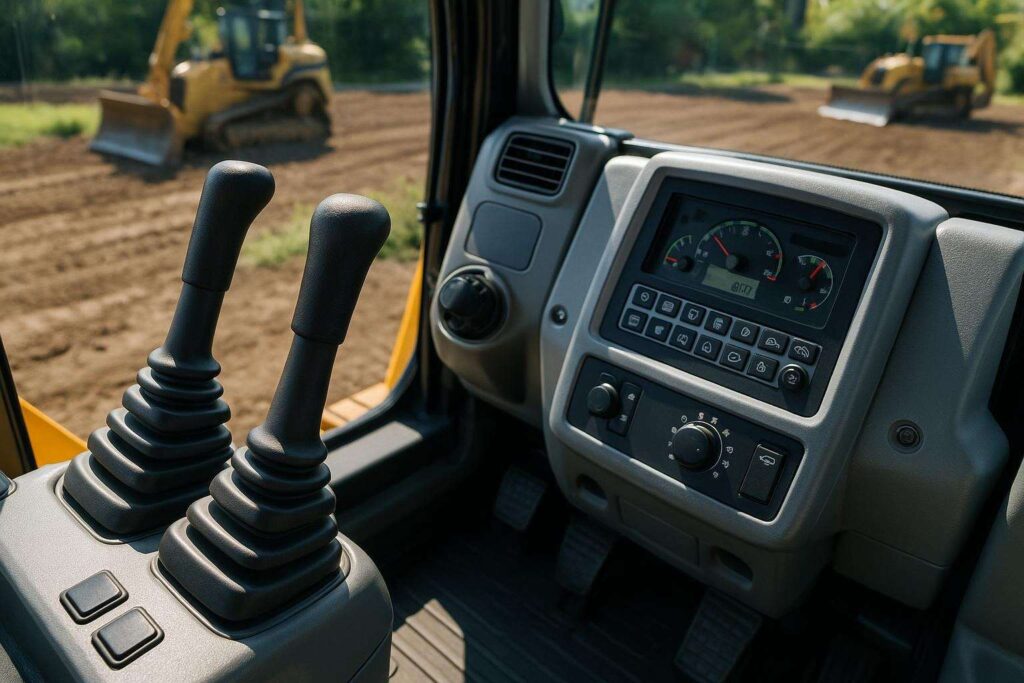
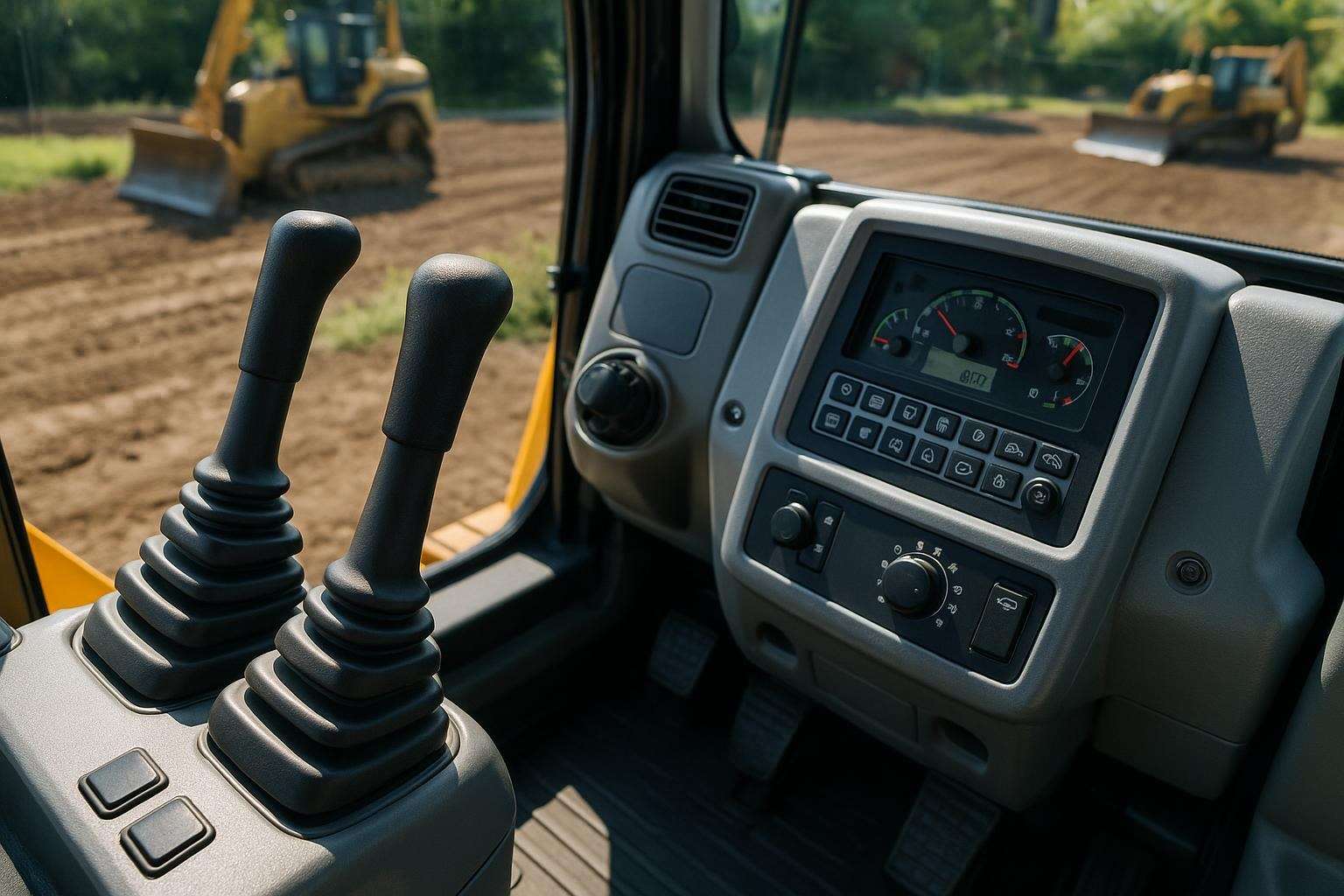
Once the site is ready digging becomes important when shaping the land for gardens, paths and ways to move water away. Big machines like diggers and bulldozers can move a lot of earth quickly making shapes that look nice and help with water control. Knowing about the rocks and water around the area is important when planning the digging; not all dirt acts the same when it is moved.
For example if you plan to make a wall to hold back soil knowing how deep and at what angle to dig is important. This makes sure the wall is strong and adds to the garden look. Experienced workers can shape the land to make looking changes between different parts mixing hard areas with soft areas smoothly. When making these changes it's important to think about how different types of soil may get squashed and settle over time which can affect how the building and garden stay strong.
Integrating Hardscapes with Softscapes
Gardening is not about plants; it also includes hard areas like patios, walkways and walls to hold back soil. Making sure the hard areas and the soft areas work well together needs planning and doing. When you lay out the areas think about how they will affect the nearby plants. For example if a stone path is too close to where you plan to plant flowers the roots might not grow well making the plants weak. It's good to leave space so the plants can grow strong without fighting against the hard parts.
Using materials like bricks allows water to go through cutting down on water running off and helping the gardens nature. This is especially useful in building areas where the ground is disturbed a lot. Combining beauty and usefulness in the garden can be done by placing things and thinking about both the building and the natural parts. It's also good to pick materials that match the area making sure the hard parts don't take over the garden but instead make it look better.
Choosing the Right Plants for Construction Projects
When you pick plants for a building project it's important to choose types that will do well in the soil and air conditions made by the digging and shaping. Local plants are often the option; they are used to the weather and dirt and usually need less care. Also they help animals making the garden more useful for nature. Using plants can make a garden that is stronger and needs less water and care.
Think about how big the plants will get and make sure they won't grow into the building or the paths as they grow. It's also good to think about the seasons-choosing plants that bloom at times can make the garden look nice all year. For example using plants that stay green all year can give a look while plants that lose their leaves change color and drop them. Also think about the areas in the garden; some places might get more sun or shade which affects the types of plants to use and where to put them.
Regular Maintenance to Ensure Longevity
After the building and garden are done the work isn't finished. Keeping up with care is important to make sure both the building and the garden stay good. This includes things, like watering cutting back plants and adding mulch. For projects that use machines it's very important to watch how the garden changes over time. Big machines can make the soil tight which affects how water gets in and how roots grow so pay attention to areas where the machines were used.
One thing that is often forgotten is checking the health of the soil. Testing the soil now. Then can show the nutrients helping to add what is needed to keep the garden growing well. Regular care not makes the garden last longer but also makes the whole building project look better. Learning to see when plants or soil are not doing well can save time and money letting you fix problems before they become big ones.
By using these garden methods during the building process project leaders can avoid many problems. Good site preparation, digging, making sure the hard and soft parts work together picking the right plants and keeping up with care all help to make places that look nice and work well. As the garden grows with the building the time and money spent on these methods will definitely be worth it giving a place that's nice to look at and easy to use.